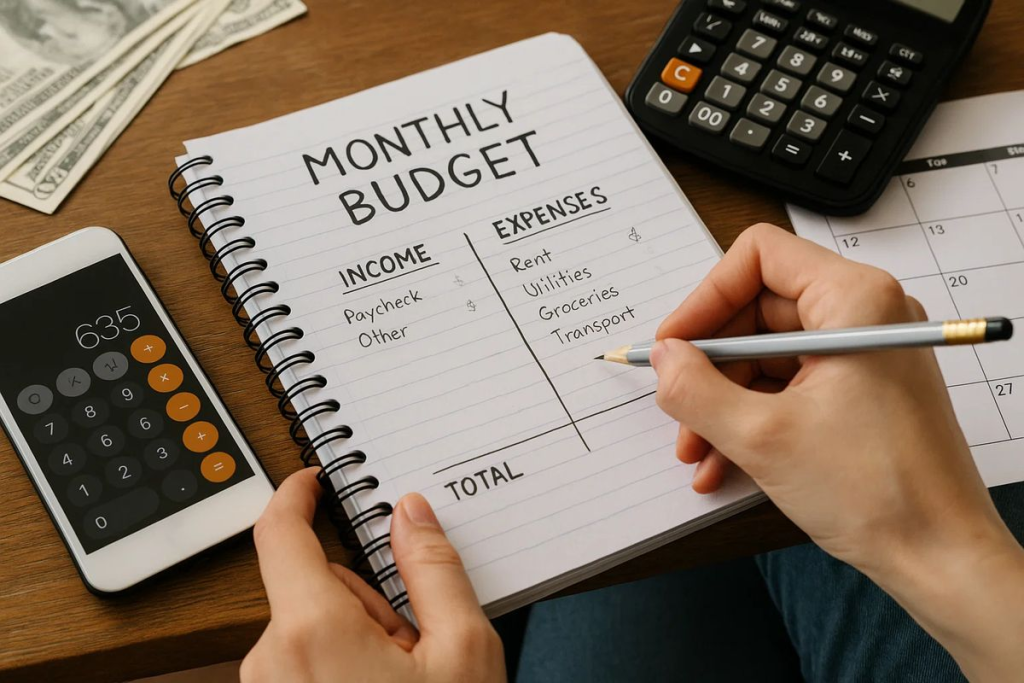
When money is tight, advice to simply “spend less” is useless without specifics — real saving money tips work because they target the exact places a family budget leaks. Groceries, utilities, transport, subscriptions, and small daily purchases quietly decide whether a tight month ends with something saved or nothing at all. This guide offers saving money tips organized by the biggest wins first, so a family can start with changes that free real money this week and build toward habits that keep it freed.
Food: The Biggest Fast Win
For most families, food is the largest controllable expense, and the fastest savings live here. Plan the week’s meals before shopping, shop with a list, and treat the list as a contract. Cooking two or three flexible base meals — dishes whose leftovers transform rather than repeat — cuts both the grocery bill and the takeaway temptation on tired evenings.
Buy staples in larger sizes when they are genuinely cheaper per unit, freeze bread and portions before they spoil, and keep a visible “eat first” shelf in the fridge so food bought becomes food eaten. Families commonly waste a shocking share of groceries; halving that waste is like receiving a raise that arrives in the kitchen. Among saving money tips, this one alone often frees more than every subscription cancellation combined.
Utilities and the Home
Small settings compound. Lowering heating or raising cooling by one degree, washing clothes cold, running full loads, and switching the most-used bulbs to efficient ones trim bills every single month without changing how life feels. Compare energy and internet plans once a year; loyalty is rarely rewarded in utility markets, and a single phone call frequently produces a better rate for the same service.
Maintenance is a saving strategy too. A dripping tap, a clogged filter, or a neglected boiler quietly taxes you monthly and eventually bills you for a replacement. An hour of basic upkeep per month is among the least glamorous and most reliable saving money tips a household can adopt.
Transport Without the Car Payment Trap
Transport costs hide in fuel, insurance, parking, and the slow bleed of small trips. Batch errands into one route, share rides where practical, and keep tires correctly inflated — under-inflated tires burn fuel and wear out early. If a second car mostly sits, honestly calculate its full monthly cost; for many families it exceeds what occasional taxis or rentals would cost.
For commuting, test one alternative for a month — a bus pass, cycling in fair weather, or a carpool — and compare real costs, not assumptions. Habits fossilize quickly in transport, and the savings from changing one daily trip repeat two hundred times a year.
Subscriptions, Fees, and Quiet Leaks
Audit every recurring charge on your statements: streaming tiers, app subscriptions, memberships, bank fees, and insurance add-ons. Cancel ruthlessly, then — if you truly miss something after a month — resubscribe deliberately. Paying for services you forgot you owned is the purest waste in a tight budget.
Bank and card fees deserve the same scrutiny. Late fees vanish with automatic payments; account fees often vanish with a different account type or a direct request. Redirect every freed amount to savings the same day, because money left in the spending account after a “saving” quietly gets spent — the most common way saving money tips fail in practice.
Kids, Health, and Celebrations on a Budget
Children are expensive mostly at the points where marketing meets parental love. Hand-me-down networks, library cards, school and community activities, and a short delay before upgrading anything solve most of it; children reliably value time and novelty over price tags. For birthdays and holidays, set the budget before the shopping season, buy across the year when prices dip, and let extended family coordinate on one wanted gift instead of five forgotten ones.
Health costs reward prevention with unusual generosity. Regular dental care, vaccinations, basic exercise, and sleep are cheaper than every treatment they prevent, and many employers, insurers, and municipalities subsidize them. Keep a small health line in the budget for checkups and prescriptions so a minor issue is treated while it is still minor — few things blow up a tight budget like a small problem ignored into a large one.
Celebrations deserve the same treatment as any category: a number decided in advance, spent joyfully within itself. A family that plans its fun protects it, because nothing kills a celebration like the guilt of unplanned spending hanging over it.
Grow the Income Side When You Can
There is a floor below which spending cannot be cut, which is why the strongest plans also grow income. Extra shifts, selling quality unused items, and skills that employers pay for all widen the gap between earning and spending. Upskilling pays particularly well over time — professionals taking courses such as a GST return filing course for accounting professionals show how one credential can raise rates across an entire career.
Retirement should not vanish from a tight budget either. Even a small contribution keeps the habit alive, and projecting it with a Roth IRA calculator estimating future tax-free growth demonstrates how modest early amounts still matter decades later. Tight seasons end; habits built during them remain.
Make Saving Automatic and Visible
Move a fixed amount to a separate savings account on payday, however small, and watch the balance where you will see it weekly. A visible, growing number motivates in a way that intentions never do. Set the first goal as a small emergency cushion; reaching it converts saving from sacrifice into security.
Saving money tips succeed as a system: plan food, trim utilities, question transport, kill quiet leaks, grow income when possible, and automate the result. Start with the food plan this week — it is the largest, fastest, and most encouraging win on the list, and the confidence it creates will carry the harder changes that follow in the months ahead, one small, visible, genuinely encouraging, and repeatable victory at a time, together.